
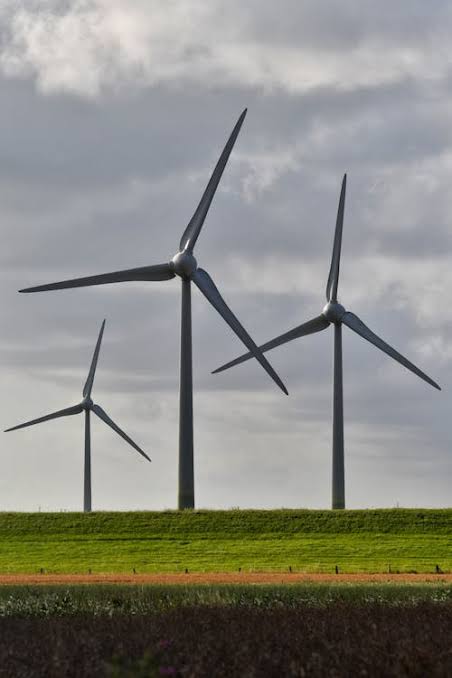
Solar and wind together generated more electricity than natural gas in 2025, marking a major milestone in the global shift toward renewable power.
The global electricity system has reached a major turning point.
For the first time, wind and solar power together generated more electricity worldwide than natural gas, according to new analysis from energy think tank Ember.
In 2025, wind and solar accounted for approximately 33.8% of global electricity generation, while natural gas supplied about 21%. The milestone reflects the rapid expansion of renewable energy, particularly solar power, which experienced its largest-ever annual increase in electricity generation.
The change does not mean fossil fuels have disappeared from the electricity system. Coal remained the world’s largest individual source of electricity in 2025, while gas continued to provide more than one-fifth of global power.
But the numbers show that the balance of the global electricity system is changing rapidly.
Solar Power Is Driving the Shift
The biggest force behind the change has been solar energy.
Global solar generation increased by approximately 636 terawatt-hours (TWh) in 2025, according to Ember. That was the largest annual increase ever recorded for a single electricity source, excluding exceptional rebounds following major economic disruptions.
The International Energy Agency (IEA) also recorded extraordinary growth.
According to the IEA, solar photovoltaic generation increased by around 600 TWh in 2025, taking global solar generation to nearly 2,700 TWh. Solar’s share of worldwide electricity generation rose to more than 8%.
Solar capacity expanded particularly rapidly in China, but the growth was not limited to one country. The United States, India and countries in the Middle East also recorded significant increases.
The continuing decline in the cost of solar panels, combined with faster installation and growing demand for electricity, has helped make solar one of the fastest-growing sources of power in the world.
Wind Is Growing Too
Wind power has also played a major role in the transition.
Global wind generation increased by approximately 205 TWh in 2025, according to Ember — an increase of about 8.2%.
Unlike solar, wind power can generate electricity around the clock when conditions are suitable, making it an important complement to solar generation.
Together, the two technologies are transforming the global electricity mix.
A decade ago, wind and solar supplied less than 5% of global electricity. By 2025, their combined share had risen to roughly 17% according to the IEA, while Ember’s methodology puts their combined share at 33.8% when looking at the broader wind-and-solar contribution in its global electricity dataset.
The difference between these reported percentages reflects differences in datasets and accounting methods, but both analyses point to the same underlying trend: wind and solar are growing extremely quickly.
Natural Gas Has Not Disappeared
The rise of renewable energy does not mean natural gas is no longer important.
The IEA estimates that global gas-fired electricity generation actually increased by about 0.5% in 2025. Gas generation rose particularly strongly in parts of Europe and the Middle East.
Natural gas remains the world’s second-largest individual source of electricity after coal.
Gas plants are also often used to provide electricity when renewable generation is low. This flexibility has historically made gas an important part of electricity systems with growing amounts of wind and solar.
But the rapid expansion of renewable capacity means gas is facing increasing competition.
As more solar panels and wind turbines come online, they can supply additional electricity without requiring fuel to be burned.
Another Historic Milestone: Renewables Overtake Coal
The rise of wind and solar is part of an even larger change.
In 2025, renewable energy sources collectively generated slightly more electricity than coal for the first time, according to Ember.
Renewables accounted for approximately 34% of global electricity, compared with around 33% for coal.
The IEA’s figures similarly show that renewable generation virtually matched coal in 2025, although its methodology places coal slightly ahead.
This difference illustrates why the exact percentages can vary between datasets.
What is not in dispute is the direction of travel: renewable electricity is growing rapidly while coal’s share of the global electricity mix is declining.
Why 2025 Was Such an Important Year
The change was not simply the result of electricity demand falling.
Global electricity demand actually increased by more than 850 TWh in 2025, according to the IEA.
Renewables supplied most of the additional electricity needed to meet that demand.
Ember estimates that solar alone supplied about 75% of global electricity demand growth during the year, while wind provided another significant share.
That matters because it suggests renewable energy is increasingly capable of meeting new demand rather than simply replacing existing power plants.
As electricity use grows because of electric vehicles, air conditioning, industrial electrification, data centres and other technologies, the question is increasingly where that additional electricity will come from.
In 2025, much of the answer was solar and wind.
China Is Driving Much of the Growth
China has played an enormous role in the global renewable energy expansion.
The country installed huge amounts of solar and wind capacity during 2025, contributing a substantial portion of the world’s overall growth.
The IEA estimates that around 55% of the increase in global solar generation in 2025 came from China.
China’s electricity system remains heavily dependent on coal, but the country’s rapid deployment of renewable energy is changing its overall power mix.
The IEA reports that coal supplied about 55% of China’s electricity in 2025, down from around 70% a decade earlier.
The shift demonstrates the scale of China’s influence on the global energy transition.
Batteries Are Becoming More Important
A major challenge for wind and solar is that their output varies.
Solar panels do not generate electricity at night, while wind turbines depend on wind conditions.
As their share of electricity generation increases, electricity systems need ways to store power and move it to where and when it is needed.
Battery storage is therefore becoming increasingly important.
According to the IEA, global battery-storage capacity additions increased by around 40% in 2025, reaching almost 110 GW. The agency described batteries as the fastest-growing power technology that year.
Large-scale batteries can store electricity when solar and wind production is high and release it when generation falls.
Other technologies, including pumped-storage hydropower, stronger electricity grids and demand-response systems, can also help balance renewable-heavy electricity systems.
The Electricity Transition Is Not Happening Everywhere at the Same Speed
Despite the global milestone, the transition is far from uniform.
Some countries are rapidly replacing fossil fuels with renewable electricity, while others continue to rely heavily on coal, gas or oil.
In emerging economies, electricity demand is growing quickly as populations gain access to more appliances, transport and industrial infrastructure.
That means these countries need to build enormous amounts of new generating capacity.
The challenge is doing so while keeping electricity affordable and reliable.
The IEA notes that coal remains the dominant electricity source in countries including China, India and several Southeast Asian nations, even as renewable energy continues to expand rapidly.
What About the Climate?
Electricity generation is one of the world’s largest sources of energy-related greenhouse-gas emissions.
Replacing fossil-fuel generation with wind and solar can therefore reduce emissions, particularly when renewable electricity displaces coal and gas.
Ember estimates that if wind and solar had not expanded since 2000, global fossil-fuel electricity generation in 2025 would have been substantially higher and annual emissions would have been billions of tonnes greater.
However, the world is not yet on a fully clean electricity system.
Fossil fuels still supply a large majority of global electricity when coal, gas and oil are combined.
And electricity is only one part of the wider energy system. Transport, heating, industry and other sectors continue to consume large quantities of fossil fuels.
The growth of renewable electricity therefore represents an important step rather than the completion of the energy transition.
A Milestone, Not the Finish Line
The significance of 2025 is not simply that wind and solar passed natural gas on a chart.
It is that two technologies that were relatively minor sources of electricity only a few decades ago are now among the dominant forces shaping the global power system.
Solar is expanding at unprecedented speed.
Wind continues to add large amounts of new generation.
Battery storage is growing rapidly.
And renewable energy as a whole has reached a point where it can meet a substantial share of the world’s growing demand for electricity.
At the same time, coal and gas remain deeply embedded in electricity systems around the world.
The next challenge will be maintaining the rapid growth of renewable energy while building enough transmission lines, storage capacity and flexible generation to keep electricity systems reliable.
A New Era for Global Electricity
For more than a century, fossil fuels dominated the world’s electricity system.
Coal powered industrialisation. Natural gas later became a major source of flexible electricity generation.
Now, the balance is beginning to change.
In 2025, wind and solar together generated more electricity globally than natural gas, marking a milestone that would have been difficult to imagine only a few decades ago.
The achievement does not mean the world’s electricity system is clean yet.
But it does show that the global energy landscape is moving in a new direction.
The age of renewable electricity is no longer simply a prediction for the future.
It is already reshaping the power system today.
References
Ember. “Global Electricity Review 2026 — 2025 in Review.” 2026.
Read the full Ember report
International Energy Agency (IEA). “Global Energy Review 2026 — Electricity Supply.” 2026.
Read the IEA analysis
International Energy Agency (IEA). “Global Energy Review 2026 — Global Trends.” 2026.
Read the IEA global trends
International Energy Agency (IEA). “Global Energy Review 2026 — Key Findings.” 2026.
Read the key findings
Pew Research Center. “6 facts about how global energy production is changing.” July 2026.
Read the Pew Research analysis
Carbon Brief. “Clean energy pushes fossil-fuel power into reverse for ‘first time ever’.” April 2026.
Read the Carbon Brief analysis
Leave a Reply