
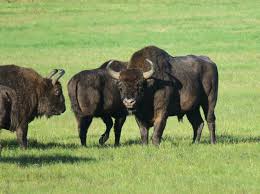
How the Return of the European Bison Is Giving Conservationists Hope
Just over a century ago, the future of the European bison looked bleak.
The continent’s largest land mammal had been hunted to the brink of extinction, its populations devastated by centuries of habitat loss, overhunting, and war. By the early 1920s, the species had disappeared from the wild entirely. Many experts feared that Europe would never again see wild bison roaming its forests and grasslands.
Today, however, the story of the European bison has become one of the greatest conservation success stories in modern history.
Thanks to decades of dedication from scientists, conservationists, governments, and local communities, European bison populations are growing once again. Herds are returning to forests, protected reserves, and natural landscapes across the continent, bringing renewed hope for biodiversity and ecosystem restoration.
Meet Europe’s Gentle Giant
The European bison, also known as the wisent, is the heaviest land animal in Europe.
Adult males can weigh as much as 900 kilograms and stand nearly two metres tall at the shoulder. Their impressive size, thick coats, and powerful build make them one of the continent’s most iconic wildlife species.
Despite their intimidating appearance, bison are generally peaceful herbivores that spend most of their time grazing on grasses, leaves, bark, and shrubs.
Historically, these animals roamed across vast areas of Europe, from France and Germany in the west to Russia and the Caucasus Mountains in the east.
However, as human populations expanded, forests were cleared, and hunting intensified, bison numbers steadily declined.
Extinction in the Wild
The situation reached a crisis point during the early twentieth century.
The final wild European bison was killed in the Caucasus region in 1927. At that point, the species no longer existed in the wild anywhere on Earth.
Only a small number of animals survived in zoos and private collections.
The future of the species depended entirely on these remaining individuals.
Conservationists faced an enormous challenge. The entire global population had been reduced to just a few dozen animals, creating concerns about genetic diversity and long-term survival.
Yet rather than accepting extinction, researchers launched one of the most ambitious wildlife recovery programs ever attempted.
Bringing a Species Back From the Brink
Using the remaining captive bison, conservationists established carefully managed breeding programs designed to rebuild the population.
Every birth was recorded, genetic lineages were monitored, and scientists worked to ensure that the species retained as much genetic diversity as possible.
Over time, the population began to grow.
As numbers increased, conservationists started releasing bison into protected natural areas where they could live freely once again.
What began as a desperate effort to save a species gradually transformed into a remarkable success story.
Today, thousands of European bison live in the wild and semi-wild across Europe.
Countries including Poland, Romania, Germany, Spain, Lithuania, Slovakia, and the Netherlands have all participated in reintroduction programs.
Why Bison Are Important for Ecosystems
The return of bison is about more than simply increasing animal numbers.
Scientists often refer to bison as “ecosystem engineers” because of the important role they play in shaping their environment.
As they move through forests and grasslands, they create open spaces, disperse seeds, fertilize soil, and influence plant growth patterns. Their grazing habits help maintain diverse habitats that support insects, birds, and many other species.
Without large herbivores, some ecosystems can become less diverse over time.
The presence of bison helps create a natural balance that benefits countless forms of wildlife.
Researchers have found that areas inhabited by bison often experience increases in biodiversity, making them valuable allies in conservation efforts.
Helping the Fight Against Climate Change
Scientists are also exploring how large herbivores such as bison may contribute to healthier and more resilient ecosystems in the face of climate change.
By maintaining grasslands and influencing vegetation patterns, bison can help ecosystems store carbon and adapt to changing environmental conditions.
Although they are not a direct solution to climate change, their ecological role highlights the importance of restoring natural processes that have been lost from many landscapes.
Conservation experts increasingly view rewilding projects involving species like bison as an important tool for protecting biodiversity while improving ecosystem health.
Challenges Still Remain
Despite the remarkable progress, the European bison’s recovery is not yet complete.
Conservationists continue to face challenges related to habitat fragmentation, disease management, human-wildlife interactions, and maintaining healthy genetic diversity.
As bison populations expand, researchers are working closely with local communities to ensure that conservation efforts benefit both wildlife and people.
Long-term monitoring remains essential to ensure that populations remain stable and sustainable.
A Symbol of Hope
The story of the European bison demonstrates what can be achieved when science, conservation, and international cooperation come together.
A species that once vanished from the wild has been given a second chance.
For conservationists, the return of Europe’s largest land mammal is proof that extinction is not always inevitable. With sufficient commitment, funding, and public support, even species pushed to the edge of disappearance can recover.
As wild bison once again roam Europe’s forests and grasslands, they serve as a powerful reminder that nature can be remarkably resilient when given the opportunity to heal.
In a world often dominated by environmental challenges, the comeback of the European bison stands as a rare and inspiring piece of good news one that offers hope not only for a single species, but for the future of conservation itself.
Leave a Reply