
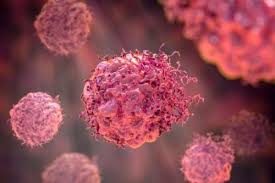
For decades, ovarian cancer has been one of the most difficult cancers to treat. Often called a “silent disease” because its symptoms can be vague and difficult to detect early, ovarian cancer is frequently diagnosed only after it has already spread. As a result, survival rates have remained a major challenge for doctors and researchers worldwide.
Now, scientists are reporting several promising breakthroughs that could help improve treatment outcomes and offer new hope to patients.
Why Ovarian Cancer Is So Difficult to Treat
One of the biggest challenges in ovarian cancer treatment is recurrence. Although many patients initially respond well to surgery and chemotherapy, the cancer often returns months or years later. Researchers believe that a small group of highly resistant cancer cells sometimes called cancer stem cells can survive treatment and later restart tumor growth.
Because of this, scientists have increasingly focused on developing therapies that target these resistant cells rather than only shrinking visible tumors.
New Therapies Showing Promise
Researchers around the world are currently testing innovative treatments designed to attack ovarian cancer in more precise ways.
These include targeted therapies, immunotherapies, precision medicine approaches, and personalized treatment plans based on a patient’s unique genetic profile. Scientists say these newer approaches could improve effectiveness while reducing unnecessary treatment.
One recent clinical trial reported particularly encouraging results using a personalized treatment selection system known as ChemoID. The study found that patients with recurrent, treatment resistant ovarian cancer experienced significantly higher response rates when therapy was selected using the test compared with standard physician-selected treatment plans.
The Rise of Precision Medicine
A growing area of research is precision medicine, where treatments are tailored to the biology of each patient’s cancer.
Australian researchers recently developed a blood test that may help identify which patients are most likely to benefit from PARP inhibitor therapies, a type of targeted treatment already used in some ovarian cancer cases. Scientists believe this approach could make treatments more effective and help avoid unnecessary side effects.
Researchers say this type of personalized medicine represents a major shift away from the traditional “one-size-fits-all” approach to cancer treatment.
Looking Toward the Future
While many of these therapies are still being studied and are not yet cures, experts say the progress is encouraging. Advances in genetics, immunotherapy, and cancer biology are helping researchers understand ovarian cancer in ways that were not possible just a few years ago.
Clinical trials around the world are continuing to test new strategies, and some patients have already experienced significant benefits from experimental treatments and personalized therapies.
A Reason for Hope
Ovarian cancer remains a serious disease, but the pace of research is accelerating. Scientists are uncovering new ways to detect the disease earlier, identify high-risk patients, and develop treatments that target cancer more precisely than ever before.
While more research is still needed, these breakthroughs represent an important step toward better outcomes for the hundreds of thousands of women diagnosed with ovarian cancer each year.
References
- Molecular Cancer. “Targeting Cancer Stem Cells in Ovarian Cancer Treatment.” Available at: Molecular Cancer
- BMC Medicine. “Advances in Precision Medicine for Ovarian Cancer.” Available at: BMC Medicine
- NPJ Precision Oncology. “Personalized Treatment Strategies for Recurrent Ovarian Cancer.” Available at: NPJ Precision Oncology
- Xinhua News. “Australian Researchers Develop Blood Test for Ovarian Cancer Therapy Selection.” Available at: Xinhua News
Leave a Reply