
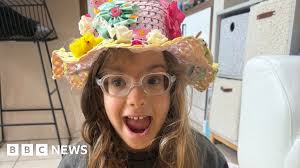
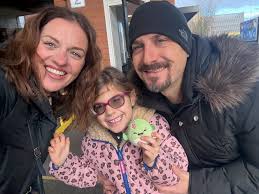
A six-year-old girl named Saffie has regained hope for her future after doctors successfully used a groundbreaking one-time gene therapy treatment to save her vision from a rare inherited form of blindness.
Saffie was diagnosed with a rare genetic eye condition that causes severe vision loss in children and can eventually lead to blindness. Doctors explained that the condition affects the retina, the light-sensitive tissue at the back of the eye responsible for sending visual signals to the brain.
Her family reportedly noticed signs of vision problems at an early age when Saffie struggled to recognize faces, read clearly, and navigate in low-light environments. After medical testing confirmed the diagnosis, specialists recommended an advanced gene therapy treatment designed to target the faulty gene causing the condition.
The treatment involved delivering healthy copies of the affected gene directly into the retina through a highly specialized surgical procedure. According to medical experts, the therapy works by helping retinal cells function more effectively and preventing further damage to eyesight.
Following the procedure, doctors reported significant improvements in Saffie’s vision. Her family said she became more confident moving around independently and was able to see details that had previously been difficult to recognize.
Researchers and medical professionals have described the case as another important milestone in the growing field of gene therapy, which is transforming treatment options for patients with rare genetic diseases.
According to the National Eye Institute, inherited retinal diseases affect millions of people worldwide and are one of the leading causes of blindness in children and young adults. Gene therapy is increasingly being explored as a way to slow, stop, or even reverse some forms of genetic vision loss.
Specialists say early diagnosis and access to advanced treatments can make a major difference in preserving sight for children with inherited eye conditions. Although gene therapy remains expensive and highly specialized, researchers hope future developments will make these treatments more accessible globally.
The success of Saffie’s treatment has inspired families and healthcare professionals alike, offering hope that continued medical innovation could change the lives of many children affected by rare forms of blindness.
Leave a Reply