
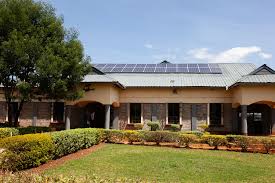
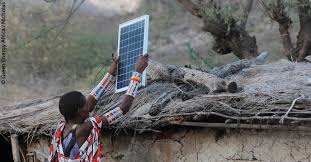
Across rural areas of Kenya, many schools are increasingly gaining access to reliable electricity through solar power systems, helping transform education for thousands of learners.
In many remote communities, schools have historically struggled with limited or no access to electricity. This has affected classroom lighting, access to digital learning tools, and the ability to use computers or internet-based resources. In response, renewable energy initiatives have introduced solar-powered systems to support education infrastructure.
Organizations and development partners, including World Bank and UNICEF, have supported electrification projects across rural Africa, including Kenya, by funding solar installations in schools and community learning centres.
These solar systems typically power classroom lighting, laptops, water pumps, and sometimes internet connectivity systems. Teachers report that improved lighting allows for longer study hours, while access to digital tools helps students engage with modern learning materials.
One of the major benefits of solar energy in rural schools is reliability. Unlike grid electricity, which can be inconsistent or unavailable in remote regions, solar power provides a stable and sustainable energy source.
Energy experts highlight that Kenya has become one of the leading countries in Africa for solar adoption in off-grid communities. The expansion of solar mini-grids and school-based solar systems is part of a broader effort to improve both education and energy access.
In addition to improving learning conditions, solar-powered schools also help reduce energy costs and environmental impact, making them a long-term sustainable solution.
While not every rural school in Kenya is fully powered by solar energy, a growing number are benefiting from hybrid or fully solar-based systems as part of ongoing national and international development programmes.
References
- World Bank – Energy Access in Africa
https://www.worldbank.org/en/topic/energyaccess - UNICEF – Education and Technology in Schools
https://www.unicef.org/education - International Energy Agency (IEA) – Africa Energy Outlook (Solar Expansion)
https://www.iea.org/reports/africa-energy-outlook - Kenya Renewable Energy Association – Solar Power in Kenya
https://krea.or.ke - Power Africa (USAID) – Off-grid Solar Projects in East Africa
https://www.usaid.gov/powerafrica - UN Sustainable Development Goals – Affordable and Clean Energy (SDG 7)
https://sdgs.un.org/goals/goal7
Leave a Reply