
What began as a rapid response to a global crisis is now becoming one of the most exciting breakthroughs in modern healthcare. The same mRNA technology that powered vaccines against COVID-19 is now being expanded to fight some of the world’s most complex diseases including cancer, HIV, and more.
Once considered experimental, mRNA is now at the forefront of a medical revolution that could change how we prevent and treat illness forever.
What Is mRNA and Why Is It So Powerful?
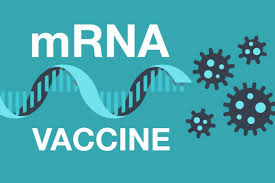
mRNA (messenger RNA) works by teaching the body’s cells how to produce a protein that triggers an immune response. Instead of injecting a weakened virus, scientists give the body instructions to defend itself.
This approach makes mRNA:
- Faster to develop than traditional vaccines
- Highly adaptable to different diseases
- More precise in targeting specific conditions
During the COVID-19 pandemic, this technology proved to be safe, effective, and scalable opening the door for even bigger possibilities.
Expanding Into New Diseases
Now, researchers are using mRNA technology to tackle some of the biggest challenges in medicine:
- Cancer Treatment: Scientists are developing personalized mRNA vaccines that train the immune system to recognize and destroy cancer cells.
- HIV Prevention: Early trials are exploring how mRNA can help the body fight HIV, a virus that has long been difficult to vaccinate against.
- Flu and Other Viruses: mRNA vaccines for influenza and other infectious diseases are in development, potentially offering faster and more effective protection.
These advancements could lead to treatments that are not only more effective but also tailored to individual patients.
A New Era of Personalized Medicine
One of the most exciting aspects of mRNA technology is its potential for personalized medicine. Instead of a one size fits all approach, treatments can be customized based on a person’s genetic makeup or specific condition.
For example, cancer vaccines could be designed specifically for a patient’s tumor, improving outcomes and reducing side effects.
This shift represents a major step toward more targeted, efficient, and patient-centered healthcare.
Global Impact and Accessibility
Organizations like World Health Organization are supporting efforts to expand access to mRNA technology worldwide. New manufacturing hubs are being developed in different regions, including Africa, to ensure that countries can produce their own vaccines and treatments.
This is especially important for improving global health equity and ensuring that life-saving innovations reach everyone not just wealthy nations.
Challenges and the Road Ahead
While the progress is promising, there are still challenges to overcome:
- High production costs
- Storage and transportation requirements
- Ongoing research needed to ensure long-term safety and effectiveness
However, with continued investment and collaboration, experts believe these barriers can be addressed.
Why This Is Such Good News
The expansion of mRNA technology represents more than just scientific progress it offers real hope for millions of people around the world. It shows that:
- Diseases once considered untreatable may soon have solutions
- Vaccines can be developed faster in future outbreaks
- Healthcare can become more personalized and effective
In many ways, the success of mRNA during COVID-19 was just the beginning. What comes next could redefine medicine as we know it.
References
- World Health Organization. (2023–2026). mRNA technology and global vaccine development. Available at: https://www.who.int/initiatives/mrna-vaccine-technology-transfer-hub
- Nature. (2023). mRNA vaccines and their future beyond COVID-19. Available at: https://www.nature.com/articles/d41586-023-00001-0
- Centers for Disease Control and Prevention. (2023). Understanding mRNA COVID-19 vaccines. Available at: https://www.cdc.gov/coronavirus/2019-ncov/vaccines/different-vaccines/mrna.html
- National Institutes of Health. (2024). Advances in mRNA-based therapies. Available at: https://www.nih.gov/news-events/mrna-research
Leave a Reply