
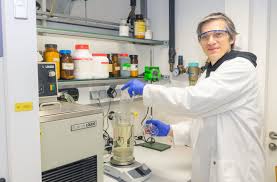
Researchers have made a significant breakthrough in the fight against plastic pollution: a specially engineered enzyme that can decompose PET (polyethylene terephthalate) the same plastic used in many bottles and packaging in just 24 hours, instead of the centuries it normally takes.
How the Enzyme Works
- The new variant, called FAST‑PETase (Functional, Active, Stable, and Tolerant PETase), was developed using machine learning. Scientists used models to predict beneficial mutations to the natural PETase enzyme.
- FAST‑PETase is effective at relatively low temperatures (around 50 °C), making it more energy-efficient and potentially suitable for widespread use.
- In lab tests, the enzyme can depolymerize (break apart) PET into its monomers — the building blocks of the plastic — in as little as 24 hours.
- What’s more: the process can be circular, meaning the broken-down monomers can potentially be repurposed and rebuilt into new plastic.
Why This Could Matter
- A Recycling Game Changer: Traditional recycling often downgrades plastic quality. This enzyme-based method could allow for true recycling back to high-quality PET.
- Energy Efficiency: Enzyme breakdown uses far less energy than burning or chemically breaking down plastic.
- Scalability: If mass-produced, FAST‑PETase could be integrated into industrial recycling plants, helping to cut down the massive volume of PET waste in landfills.
- Environmental Impact: By turning plastic waste back into its basic building blocks, this technology supports a more circular plastic economy and could reduce plastic pollution’s long-term footprint.
Challenges and Next Steps
- Industrial Deployment: While the enzyme works well in the lab, scaling up to industrial volumes will require further refinement, cost‑optimization, and real-world testing.
- Durability: Enzymes can degrade or lose effectiveness, so researchers will need to improve stability for repeated or long-term use.
- Economic Viability: The cost of producing and maintaining enzyme systems must compete with cheaper, less sustainable recycling or disposal methods.
Conclusion
The development of FAST‑PETase represents a promising leap forward in biotechnology’s fight against plastic pollution. By harnessing machine learning to supercharge a naturally occurring enzyme, scientists are closing in on a future where plastic waste can be broken down quickly and sustainably — not buried for centuries.
References
- Levy, Nat. “This plastic‑eating enzyme can break down PET plastic in hours — not centuries.” World Economic Forum. (World Economic Forum)
- “Plastic‑Eating Enzyme Could Be the Future of Waste Disposal.” IFLScience. (IFLScience)
- “Plastic‑eating Enzyme Could Eliminate Billions of Tons of Landfill Waste.” ScienceDaily. (ScienceDaily)
- “A New Enzyme Eats Plastics.” ASME. (ASME)
- “Protein‑based system streamlines enzyme reuse for plastic recycling.” CiQUS / Phys.org.
Leave a Reply