
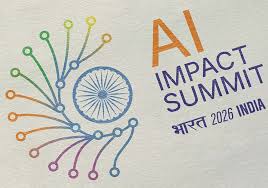
In an increasingly digital world, artificial intelligence (AI) is no longer a distant concept. It is becoming a powerful tool shaping how people learn, work, and live. Recently, at the India AI Impact Summit 2026, global leaders, policymakers, and technology companies came together to highlight a growing movement: investing in AI to ensure it benefits not just wealthy nations, but the entire world.
One of the most significant announcements came from Microsoft, which revealed plans to invest billions of dollars into expanding AI infrastructure, research, and accessibility. This move reflects a broader global shift toward using AI as a tool for inclusion rather than exclusivity. Instead of concentrating innovation in a few developed countries, these investments aim to spread opportunities to emerging economies across Africa, Asia and Latin America.
Bridging the Global Digital Divide
For decades, a major challenge facing developing regions has been the digital divide the gap between those who have access to modern technology and those who do not. Limited internet connectivity, lack of infrastructure, and high costs have prevented millions from fully participating in the digital economy.
AI investments are now helping to close that gap. By funding faster internet networks, cloud computing platforms, and affordable digital tools, companies and governments are making it easier for people in underserved areas to connect to the global economy.
For example, rural communities that once struggled with limited educational resources can now access AI powered platforms that provide interactive lessons, tutoring, and real-time feedback. This is not just about convenience it is about equal opportunity.
Transforming Education Through AI
Education is one of the sectors seeing the most immediate benefits. AI powered learning systems can adapt to individual students, helping them learn at their own pace. This is especially valuable in regions where classrooms are overcrowded or teachers are in short supply.
Students can now receive personalized support in subjects like mathematics, science, and language learning. AI tools can identify weaknesses, suggest improvements, and even provide practice exercises tailored to each learner.
As a result, education is becoming more inclusive, helping students from all backgrounds reach their full potential.
Improving Healthcare Access
Healthcare is another area where AI is making a meaningful difference. In many parts of the world, access to doctors and medical facilities is limited. AI powered diagnostic tools can help bridge this gap by assisting healthcare workers in identifying diseases earlier and more accurately.
For instance, AI systems can analyze medical images, detect patterns, and support decision making processes. This can lead to faster diagnoses and better treatment outcomes, especially in remote or underserved communities.
In the long term, these advancements could save millions of lives by making quality healthcare more accessible and efficient.
Supporting Agriculture and Food Security
Agriculture remains a key source of income in many developing countries. AI is helping farmers make smarter decisions by providing insights into weather patterns, soil conditions, and crop health.
With AI tools, farmers can predict droughts, optimize irrigation, and improve crop yields. This not only increases productivity but also reduces waste and supports food security.
By empowering farmers with better information, AI is helping to strengthen local economies and improve livelihoods.
Creating Jobs and Building Future Skills
While AI is often associated with automation, it is also creating new opportunities. The rise of AI technologies is generating demand for skills in areas such as data analysis, programming, and digital services.
Importantly, many global initiatives are focusing on education and training programs to prepare people for these new roles. Instead of replacing workers, AI is reshaping the workforce and encouraging continuous learning.
Young people, in particular, stand to benefit as they gain access to tools and skills that were previously unavailable to them.
A Collaborative Global Effort
The discussions at the India AI Impact Summit 2026 emphasized that no single country or company can achieve this transformation alone. Collaboration between governments, private companies like Microsoft, and international organizations is essential.
By working together, these stakeholders can ensure that AI development is ethical, inclusive, and aligned with global needs. This includes addressing concerns such as data privacy, fairness, and responsible use of technology.
Looking Ahead: A More Inclusive Future
The expansion of AI investment represents more than just technological progress, it signals a shift toward a more inclusive global society. By making AI tools accessible to more people, the world is moving closer to a future where opportunity is not limited by geography or economic status.
As these initiatives continue to grow, they offer hope for a world where students can learn without barriers, patients can receive better care, and communities can thrive through innovation.
The message is clear: AI has the potential to transform lives and with the right investments, that transformation can reach everyone.
Leave a Reply