
A Groundbreaking Advance in Modern Medicine
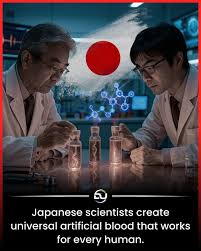
Researchers in Japan are leading the development of a revolutionary universal artificial blood that could be safely used for patients of any blood type. If successfully implemented, this innovation could transform emergency medicine, surgical procedures, and global healthcare systems by eliminating the need for traditional blood matching.
Blood transfusions are a critical part of modern medicine, used daily in surgeries, trauma care, childbirth emergencies, and treatment for serious illnesses. However, matching donor blood types with recipients can be time consuming and difficult, especially during emergencies when every second counts. This new artificial blood aims to solve that challenge entirely.
Why Universal Blood Matters
Currently, doctors must carefully match donor and recipient blood groups to avoid life-threatening immune reactions. Hospitals must also maintain separate supplies for each blood type, which can lead to shortages especially of rare types.
A universal artificial blood that works for everyone could simplify this process dramatically. Instead of storing multiple blood types, hospitals could stock a single solution usable for any patient. This would be especially valuable in disaster zones, rural clinics, and developing regions where blood donations are limited or storage facilities are scarce.
How the Artificial Blood Is Created
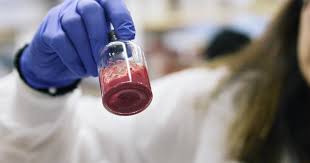
The artificial blood is produced using advanced biochemical engineering designed to mimic the function of red blood cells. Scientists have developed microscopic oxygen-carrying components that replicate hemoglobin’s role, allowing the synthetic blood to deliver oxygen throughout the body just like natural blood.
Early laboratory studies suggest the artificial blood can circulate safely without triggering immune system rejection. Researchers are continuing to refine the formula to ensure stability, safety, and effectiveness before moving into broader clinical testing.
Another key advantage is shelf life. Traditional donated blood must be refrigerated and typically expires within weeks. Artificial blood, however, has the potential to last far longer and remain stable even without strict storage conditions, making it ideal for emergency kits, ambulances, and humanitarian missions.
Potential to Transform Emergency Care Worldwide
Medical experts believe this development could dramatically improve survival rates in emergencies. In trauma situations such as accidents or natural disasters, immediate transfusion can mean the difference between life and death. A universal artificial blood supply would allow paramedics and first responders to treat patients instantly without waiting for compatibility testing.
The technology could also play a vital role in military medicine, space exploration, and remote expeditions where access to donor blood is extremely limited. In these scenarios, a long-lasting universal blood substitute could be lifesaving.
Scientific Progress Still Underway
Although the results so far are promising, researchers emphasize that further testing is required before the artificial blood becomes widely available. Clinical trials must confirm long-term safety, effectiveness, and reliability across different patient groups. Regulatory approval processes will also take time to ensure the technology meets strict international medical standards.
Scientists involved in the project remain optimistic, predicting that with continued research and funding, limited medical use could become possible within the next decade.
A Turning Point for Global Healthcare
The development of universal artificial blood represents more than just a scientific milestone it signals a future where lifesaving treatment is faster, safer, and more accessible. By reducing reliance on donor blood and eliminating compatibility barriers, this innovation could save countless lives and reshape the way healthcare systems prepare for emergencies.
As research continues, this breakthrough stands as a powerful reminder of how science and innovation can solve some of humanity’s most fundamental challenges. If successful, universal artificial blood may become one of the most transformative medical advancements of the century.
Leave a Reply