
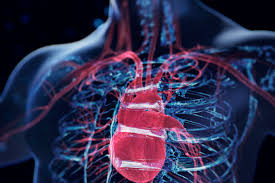
In a breakthrough that could transform the treatment of heart disease, scientists have identified a specific human gene that plays a crucial role in helping the heart repair itself after heart failure. The discovery offers new hope for millions of people worldwide living with heart conditions that were previously considered irreversible.
Heart failure occurs when the heart becomes too weak to pump blood effectively, often due to damage caused by heart attacks, high blood pressure, or long-term cardiovascular disease. Unlike skin or liver tissue, the human heart has very limited ability to regenerate making recovery after damage extremely difficult.
The Gene Behind the Breakthrough
Researchers found that activating a particular gene involved in cell growth and regeneration can stimulate heart muscle cells, known as cardiomyocytes, to re-enter the cell cycle and begin repairing damaged tissue. When this gene was switched on in laboratory models, damaged hearts showed improved pumping ability, reduced scarring, and signs of tissue regeneration.
This gene acts like a biological switch, instructing heart cells to behave more like they did during early development, when the heart had a much greater capacity to heal itself. Scientists believe this mechanism could be harnessed to help adult hearts recover after injury.
Why This Discovery Matters
Heart disease remains the leading cause of death globally, with heart failure affecting over 64 million people worldwide. Current treatments focus mainly on managing symptoms, slowing disease progression, or relying on heart transplants which are limited by donor shortages.
By targeting this newly identified gene, future therapies could:
- Encourage the heart to repair damaged tissue naturally
- Reduce the need for invasive procedures or transplants
- Improve quality of life and long-term survival rates
From Research to Real-World Treatment
While the discovery is still in the research phase, scientists are optimistic. The next steps include testing gene-based therapies in clinical trials to ensure safety and effectiveness in humans. Researchers stress that it may take several years before treatments become widely available, but the findings represent a major step forward in regenerative medicine.
Experts describe the discovery as a potential paradigm shift in how heart failure is treated moving from damage control to actual healing.
A Hopeful Future for Heart Patients
This discovery highlights how advances in genetics and molecular biology are opening doors to treatments once thought impossible. If successful in clinical trials, gene based heart repair therapies could redefine cardiovascular care and offer renewed hope to millions of patients and families affected by heart disease.
As research continues, this gene may prove to be a powerful key to helping the human heart do what it has long struggled to do heal itself.
References
- Nature Cardiovascular Research – Gene activation enables heart regeneration after failure.
- ScienceDaily – Scientists identify human gene that helps repair heart muscle.
- British Heart Foundation – Heart regeneration research and future therapies.
- World Health Organization – Cardiovascular diseases: global impact statistics.
Leave a Reply