

In a landmark medical breakthrough, scientists have developed a world-first gene therapy that is transforming white blood cells into powerful disease fighting “living drugs,” offering new hope to patients suffering from aggressive and previously incurable forms of blood cancer.
The innovative treatment, known as base edited CAR T-cell therapy (BE-CAR7), was pioneered by researchers at University College London (UCL) and Great Ormond Street Hospital (GOSH) in the United Kingdom. The therapy represents a major leap forward in cancer immunotherapy and genetic medicine, particularly for blood cancers that have historically evaded successful treatment.
How the Therapy Works
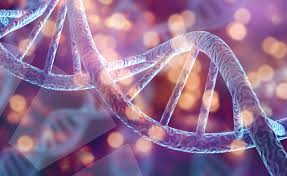
Unlike traditional cancer treatments like chemotherapy and radiation, BE-CAR7 reprograms immune system cells specifically T cells with advanced gene-editing technology. Using a precise form of CRISPR called base editing, scientists can alter individual DNA “letters” inside donated white blood cells without cutting the genetic code. These engineered cells are then infused into the patient’s bloodstream, where they act as a targeted living drug, aggressively seeking out and destroying cancer cells.
This method overcomes a long-standing challenge in treating certain blood cancers especially T-cell acute lymphoblastic leukemia (T-ALL) because it prevents the engineered immune cells from attacking themselves or healthy tissues.
Remarkable Clinical Trial Results
Early data from clinical trials published in the New England Journal of Medicine have shown exceptional results for patients with severe and treatment resistant leukemia:
- 82 % of trial participants achieved very deep remissions, meaning the therapy reduced cancer levels to nearly undetectable levels and enabled patients to move forward with stem cell transplants.
- 64 % of patients remain disease-free years after treatment, with the earliest recipients now living without cancer for three years and counting.
One such success story began in 2022 when a 13 year old girl named Alyssa received the first base edited cell therapy after exhausting all conventional options. Her dramatic recovery, including long term remission, has continued to inspire researchers and families affected by the disease.
What This Means for Patients and Future Treatment
Experts say the therapy’s success marks an exciting turning point in how scientists approach cancer and immune-based treatments. Because BE-CAR7 cells can be manufactured as “universal” immune cells from donor white blood cells, the therapy has the potential to be scaled and made accessible to broader groups of patients not just those with perfectly matched donors.
Professor Waseem Qasim, who led the research team, described the progress as something that would have “been science fiction only a few years ago.” His team continues to investigate how base editing can be expanded to fight other forms of leukemia and cancer in future trials.
A Hopeful Future for Cancer Care
While more research and larger trials are needed before this therapy becomes globally available, the current results have sparked optimism in the medical community. For patients and families facing the reality of aggressive blood cancers, BE-CAR7 offers not just a new treatment but a renewed sense of hope.
References
- University College London News: World-first base-edited gene therapy helps patients fight previously incurable blood cancer : 8 Dec 2025. (University College London)
- ScienceDaily: Gene-edited CAR-T cells erase aggressive T-cell leukemia : 11 Dec 2025. (ScienceDaily)
- ITV News: Revolutionary therapy gives hope to patients with ‘incurable’ blood cancer : 5 days ago. (ITVX)
Leave a Reply